
07702 794 597
info@rheumatologyleicester.co.uk
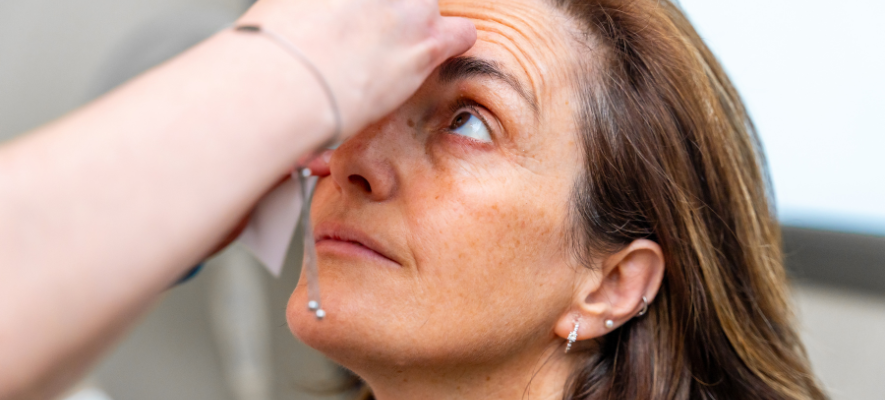
Sjögren’s (pronounced show-grins) syndrome is a condition that affects parts of the body that produce fluids, like tears and spit (saliva).
It usually starts in people aged 40 to 60 and is much more common in women than men.
It’s a long-term condition that can affect your daily life, but there are treatments to help relieve the symptoms.
Sjögren’s syndrome is caused by the immune system (the body’s defence against infection), damaging healthy parts of the body. This is known as an autoimmune condition.
The condition usually affects areas of the body that produce fluids, such as tears and saliva. But other parts of the body, such as nerves and joints, can also be affected.
It’s not clear why the immune system stops working properly.
It may be linked to:
Sometimes, people with Sjögren’s syndrome also have other autoimmune conditions, such as rheumatoid arthritis or lupus. This is known as secondary Sjögren’s syndrome.
Primary Sjögren’s syndrome is where you do not have any other related conditions.
The symptoms of Sjögren’s syndrome include:
There’s currently no cure for Sjögren’s syndrome, but there are several treatments that can help, such as: